James E. Akenson
Tennessee Tech University (Retired)
Cookeville, Tennessee
2026
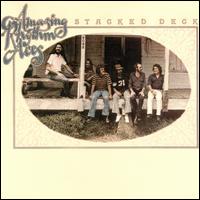
Years ago, The Amazing Rhythm Aces charted with Amazing Grace Used To Be Her Favorite Song. I liked it then. Unlike the woman described by the Amazing Rhythm Aces, Amazing Grace is still one of my lifelong favorite songs.
If I have a memorial service of some type, please sing it for me plus I’ll fly Away and a couple others. In the meantime, I’ll continue to love it. I can’t remember a time when Amazing Grace wasn’t part of my life. From growing up in First Baptist Church of Minneapolis, Minnesota to my post Tennessee Tech University career of 52.5 years, Amazing Grace always dwells in me.
It’s not an unreasonable stretch to say that Amazing Grace is the United States’…notice I avoided saying America’s…informal national hymn. It appeals to almost everyone. Only those completely outside of Christian cultural traditions would be likely to find it offensive.
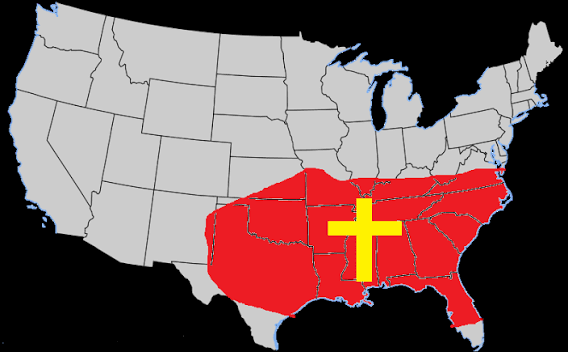
Amazing Grace fits even more firmly in the cultural hearth of the Evangelical Protestant culture most strongly associated with the Bible Belt in the United States. The southern Bible Belt also correlates with a strong Country Music history.
Amazing Grace fits perfectly with the Sacred and Profane dichotomy common in all cultures, but is a major characteristic of Evangelical Protestant Christianity. It’s heaven vs hell, saved vs lost, good vs evil, pure vs tarnished, faithful vs unfaithful, and Christ vs Satan.
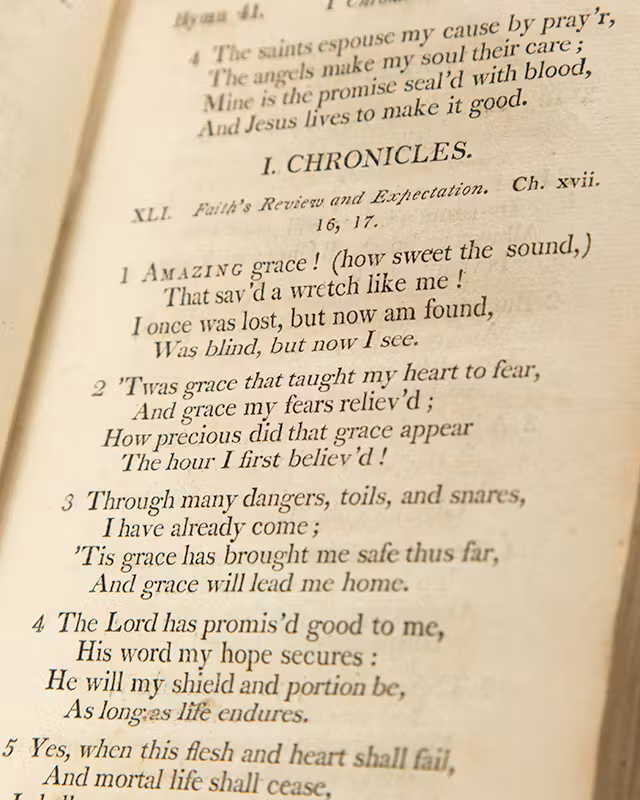
God’s Amazing Grace is the Sacred. A wretched sinner is the Profane. The lyrics capture the Sacred and Profane dichotomy immediately. “Amazing Grace how sweet the sound. That saved a wretch like me” stakes out God’s Sacred grace against the Profane life of a sinner.
“I once was lost but now am found; was blind but now I see” pits the Profane ‘lost’ of a sinner’s life against the Sacred ‘found’ as one accepts Jesus Christ as savior. Southern writer Flannery O’Connor coined the phrase the “Christ haunted South” to reflect the power of the Evangelical Christian mindset.
The Sacred and Profane appears in many Country Music songs exclusive of Amazing Grace. Gid Tanner and the Skillet Lickers’ S-A-V-E-D contrasted people who stayed out all night long at a D-A-N-C-E and then went to church to show off their H-A-T.
Ernest Tubb sang Saturday Sinner Sunday Saint, and The Kendall’s claimed Heaven’s Just a Sin Away. The tensions of the Sacred and Profane continue into the third decade of the 21st century with such songs such as Mary Kutter’s Bootleggers Bible.
Amazing Grace fits the Sacred and Profane of Country Music culture in different ways. First, Country Music artists such as Alan Jackson have recorded Amazing Grace for inclusion in an album. Country Music artists often record Gospel albums to appeal to the sacred beliefs of their fans.
Traditionally, Country Music concerts included sacred hymns to balance the Profane Country Music content based on love, drinking, infidelity, and other topics. The hymns further served as a signifier of commonly held beliefs in Evangelical Protestant culture.
Comments by Alan Jackson’s YouTube viewers reflect the depth of power for Amazing Grace to touch listeners. “We sang this as my husband was passing to his Heavenly home. Beautiful voice Allen Jackson.” It shouldn’t be surprising that Alan Jackson recently recorded Going Home as he leaves his Country Music career.
The graphic accompanying the Going Home video clearly shows life’s road leading toward the sunset of life’s journey. He’s not alone, Jesus walks side by side as the earthly journey ends and the heavenly life without ending approaches.
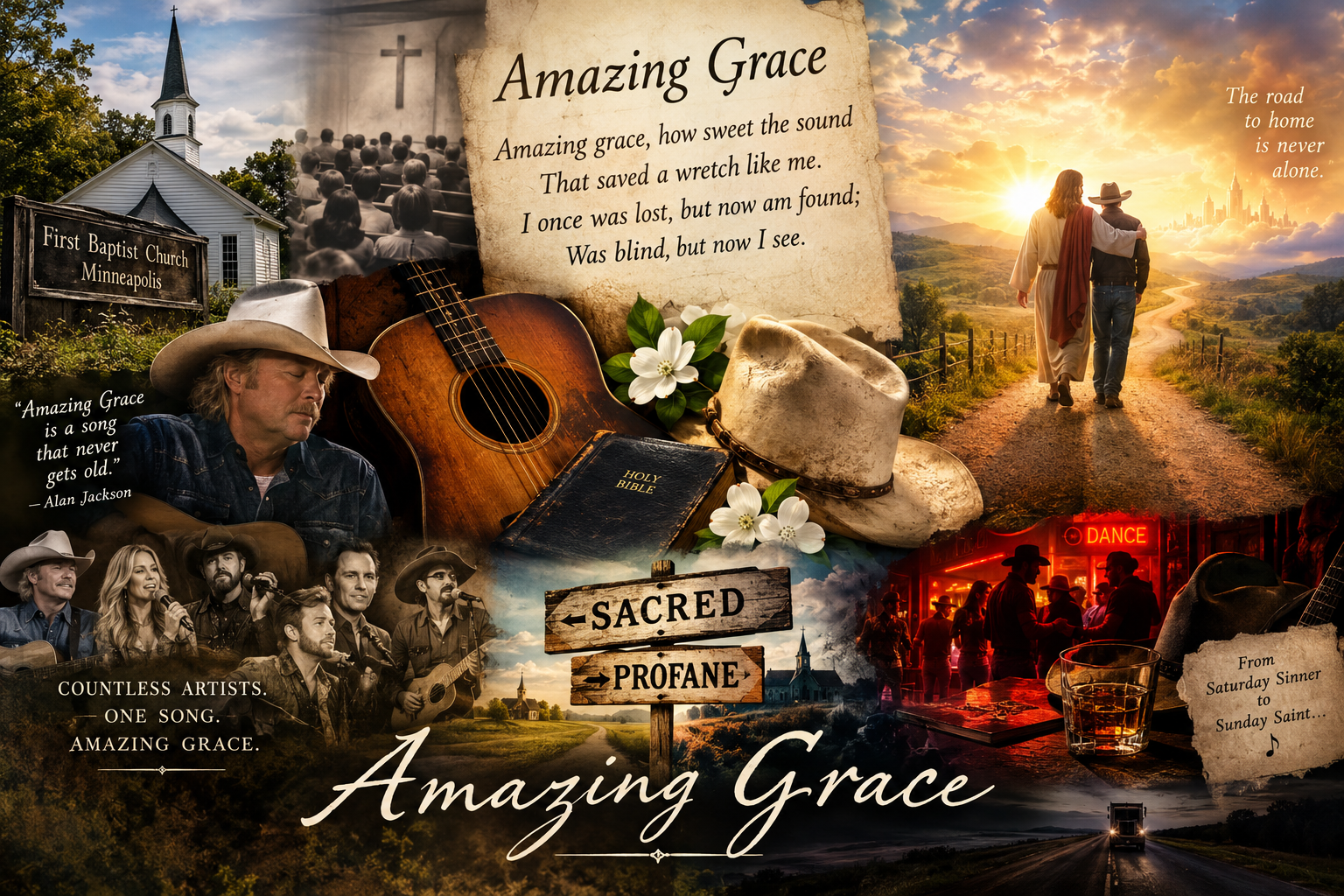
Just how many Country Music artists have recorded Amazing Grace isn’t precisely known. That is, our automatic Google Ai friend doesn’t know for sure: “An exact total number of country music artists who have recorded Amazing Grace is unknown, as hundreds of country, bluegrass, and gospel artists have recorded the iconic hymn over the last century.”
ChatGPT also takes a stab at Country Artists recording Amazing Grace. I must say that ChatGPT impresses me a bit more. I like the depth of the response, the qualification.
If by “Country Music artists” you mean artists who are recognizably part of the country/country-gospel/bluegrass-country tradition and have commercially recorded John Newton’s Amazing Grace, I would give you a minimum documented total of 50+ artists—but I would not claim an exact universal total.
The reason is that there is no authoritative database that categorizes every recording by genre. The Library of Congress says Amazing Grace has been recorded more than 7,000 times overall, and its historical discography shows that recordings have crossed between hillbilly/proto-country, gospel, folk, and other traditions from the very beginning. A defensible number. My best current estimate: approximately 60–75 country/country-gospel artists. I would use “at least 60” as the conservative figure rather than claiming, say, 73 as an exact count.
Our Google default Ai thinks a bit differently. It says 80+ Mainstream Country Music artists, 80+ Traditional/Outlaw artists, 120+ Country Gospel artists, and 5+ Collaborate/Super Groups have recorded Amazing Grace.
Let’s not quibble here over definitions of the four categories. That could get complex and complicated. In short, lots of Country Music artists have recorded Amazing Grace. Not just Alan Jackson.
There’s a second way that Amazing Grace fits into the Sacred and Profane. Does Amazing Grace appear in Country Music songs as a reference? We’ve already referenced The Amazing Rhythm Aces, but let’s look a touch deeper in mainstream Country Music. ChatGPT found some fine examples besides the Amazing Rhythm Aces.
- Amazing Grace (Used to Be Her Favorite Song) — Amazing Rhythm Aces
- Baptism — Kenny Chesney/Randy Travis
- I’m a Survivor — Reba McEntire
- When I Get Where I’m Going — Brad Paisley/Dolly Parton
- American by God’s Amazing Grace — Luke Stricklin
- Between Raising Hell and Amazing Grace — Big & Rich
- When the Sand Runs Out — Rascal Flatts
- Southern Comfort Zone — Brad Paisley
- Something in the Water — Carrie Underwood
- Muddy Water — Trace Adkins
- Amazing Grace (West Texas) — Jack Ingram/Miranda Lambert/Jon Randall
- Three Feet of Water — Jagger Whitaker/Walker Wilson
- Echoes of Amazing Grace — Carolyn Harley
This list of thirteen ChatGPT narrowed down from an initial list of fifty. ChatGPT thinks Amazing Grace (West Texas) is particularly powerful in its reference of Amazing Grace. Each verse and chorus ends in Amazing Grace.
Watching the sunset, drinking whiskey and lemonade
And when it falls, it’s Amazing Grace
And she looks like an angel with the moonlight on her face
When she smiles it’s Amazing Grace
And the church bells ring in the little bitty towns
And the people come from miles and miles around
Just to hear that old piano and feed their faith
With the Word of God and Amazing Grace
Amazing Grace (West Texas) mentioned Amazing Grace all the time, for sure. Then again, someone might like a more subtle reference. Where I Get Where I’m Going by Dolly Parton and Bad Paisley suggests “But when I get where I’m going, And I see my Maker’s face, I’ll stand forever in the light, Of His Amazing Grace.”
Trace Adkins Muddy Waters is more rough and tumble, edgier with an eighteen wheeler, Sunday morning hurting his eyes, and a “man in me I need to drown.” Adkins wants to be baptized in that muddy water which will “wash me cleanse me in Amazing Grace.”
Big and Rich’s title Between Raising Hell and Amazing Grace is particularly appealing. The title includes Amazing Grace plus makes clear the tension between the Sacred and Profane. Likewise, the Big and Rich lyrics include the title plus make clear the tensions of being raised by ‘the good book’ and living for fun only to find the need to return to “where I started from.” Clearly…it’s a life between Raising Hell and Amazing Grace.
Our Google Ai friend came up with other examples. Only problem being the Amazing Grace reference sited as lyrics didn’t always show up when I did a lyrics check. No. Kris Kristofferson’s Why Me Lord didn’t include Amazing Grace. No. Brantly Gilbert’s Country Must Be Country Wide didn’t include Amazing Grace. Yes. For the life of me, I couldn’t find Amazing Grace referenced in Alan Jackson’s Midnight In Montgomery.” And so on. Some of the songs did reference Amazing Grace. ChatGPT though, did a touch better.
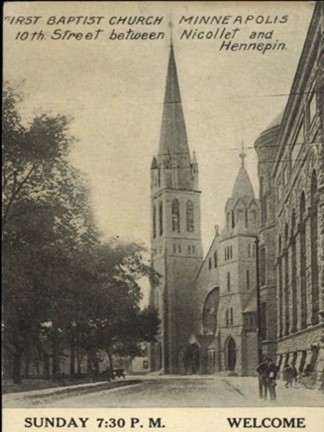
What can we say about Amazing Grace in closing, no hymn pun intended. First, without ever consulting Ai, my First Baptist Minneapolis up-bring, a liberal arts background, and study of Country Music over the years came to a valid set of observations without the need to consult Ai. Did our default Ai google friend or ChatGPT provide some useful examples, add depth, and reinforce the basic tenants of my thinking? Yes.
Amazing Grace occupies a powerful place in United States culture, and particularly Evangelical Protestant culture, and with greatest density in the Bible Belt of the U.S. South.
Amazing Grace makes its way into Country Music songs as a reference. It doesn’t need to be mentioned in large percentage of Country Music songs to reinforce core values and signify allegiance. Not every Country Music song needs to mention Chevrolet, sweet tea, or Tennessee to signify allegiance to Country Music culture.
No doubt Amazing Grace will continue to manifest itself in Country Music songs in varied ways. I bet Amazing Grace will continue to be recorded in Country Music albums. The continued decline of traditional denominational allegiance to the likes of the Southern Baptist Convention will not result in a decline of love for Amazing Grace.
Even the 1960s Death of God movement and the decline of United States citizens identifying as Christian won’t eliminate Amazing Grace from the broad cultural memory of Country Music culture. Amazing Grace will continue to be a ‘sweet sound’ making reference to redemption and salvation specific or generalized to the faith of the Country Music fan.
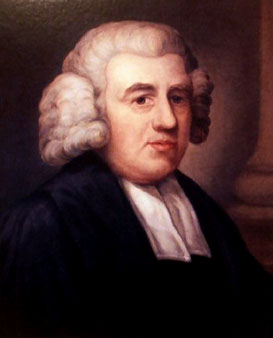
The communal recognition of Amazing Grace references will further reinforce the bond that ties the Country Music audience to one another. John Newton would be ‘amazed’ that his ‘wretched’ past continues to help ‘grace’ to enter and enrich the lives of so many in Country Music culture.
Nearly two and a half centuries later John Newton and his Amazing Grace lives on in our daily lives.